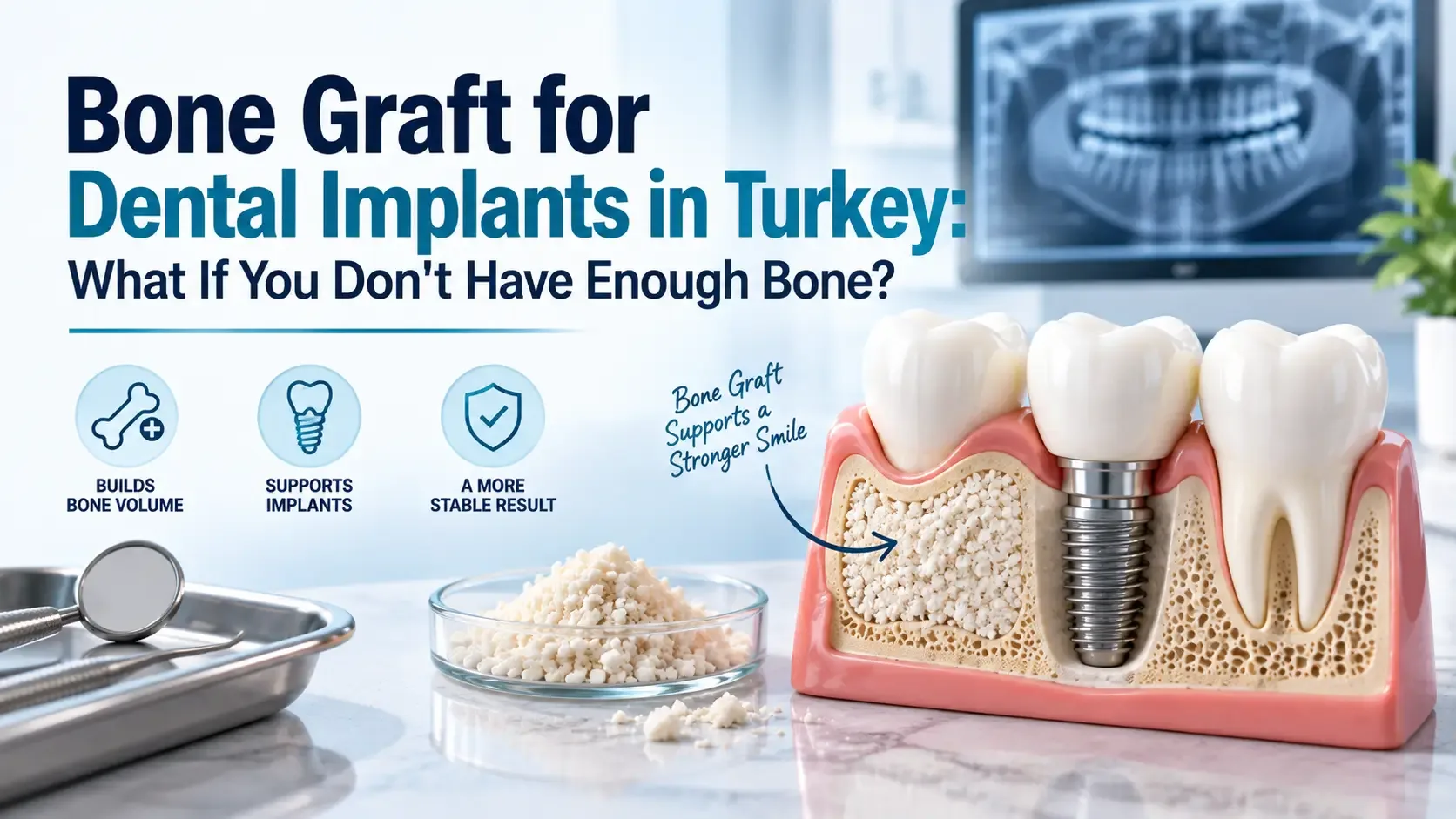
Being told you don't have enough bone for dental implants can feel like a dead end, particularly if you'd already mentally committed to the idea of fixed, permanent teeth. In reality, insufficient bone is one of the most common findings during implant assessment, and in most cases it's entirely addressable with a bone graft rather than a reason to abandon the plan altogether. This guide explains why bone loss happens, what a bone graft actually involves, and how it affects your overall treatment timeline.
Why Bone Loss Happens in the First Place
Your jawbone needs the ongoing stimulation of a tooth root to maintain its density and volume. Once a tooth is lost — whether through extraction, gum disease, or injury — and isn't replaced with something that provides similar stimulation, the surrounding bone begins to gradually resorb, sometimes losing significant volume within the first year alone. Long-term denture wearers, patients who've had a missing tooth for years without replacement, and those with a history of gum disease are all more likely to have reduced bone volume by the time they're assessed for implants.
How Insufficient Bone Is Diagnosed
A 3D scan during your assessment measures the exact height and width of bone available at each proposed implant site, giving your dentist precise figures rather than a rough visual estimate. Modern implants need a minimum amount of bone in both dimensions to achieve stable, long-term integration, and when a scan shows less than this minimum, a bone graft becomes part of the recommended plan rather than an optional extra.
What a Bone Graft Actually Involves
A bone graft adds volume to the area where bone has been lost, using either your own bone taken from another site in your jaw, a processed bone graft material, or a synthetic bone substitute, depending on how much volume is needed and your specific case. The graft material is placed at the deficient site and, over the following months, your body gradually integrates it, effectively rebuilding the bone platform an implant needs to be placed successfully.
Types of Bone Grafts Explained
Socket preservation — a graft placed immediately after a tooth extraction to prevent the bone from resorbing in the first place, often the simplest and most effective timing.
Block or particulate bone grafting — used when a larger area needs rebuilding, sometimes taking bone from elsewhere in your own jaw.
Sinus lift — specifically for the upper back jaw, where the sinus cavity sits close to the bone; this procedure gently lifts the sinus membrane and adds graft material beneath it to create sufficient height for an implant.
Guided bone regeneration — uses a membrane alongside graft material to encourage new bone growth in a specific, controlled area.
The Sinus Lift: A Specific Case Worth Understanding
Sinus lifts deserve particular mention because they're one of the most common bone grafting procedures, specifically needed when an upper back tooth has been missing for some time and the sinus has gradually expanded downward into the space the tooth root used to occupy. This isn't a sign of a problem with your sinuses themselves — it's a normal anatomical response to a missing tooth — but it does mean additional height needs to be created before an implant can be placed safely in that specific area.
How a Bone Graft Affects Your Timeline
A bone graft typically adds three to six months to your overall implant timeline, since the grafted area needs time to properly integrate and mature before it can reliably support an implant. In some cases, particularly with a straightforward socket preservation graft, the implant can be placed at the same time as the graft; in others, particularly larger grafts or sinus lifts, a separate healing period is needed before implant placement can even begin. This often means your treatment plan involves an additional preliminary visit, followed by the standard implant timeline once the graft has healed.
Does a Bone Graft Hurt, and What's Recovery Like
Bone graft procedures are performed under local anaesthetic, and most patients describe the experience as broadly similar to having a tooth extracted — some swelling and mild discomfort for a few days afterward, manageable with standard pain relief. Recovery from the procedure itself is usually straightforward; it's the longer integration period, often measured in months rather than days, that accounts for most of the added timeline rather than a difficult recovery.
Is a Bone Graft Always Necessary When Bone Is Low
Not always. Depending on how much bone is missing and where, some clinics can use shorter or narrower implants specifically designed to work with reduced bone volume, avoiding the need for a graft in borderline cases. This is a genuine alternative worth discussing at your assessment, though it isn't suitable for every situation — particularly where bone volume is significantly reduced rather than just slightly below the ideal.
Why This Shouldn't Discourage You From Implants
With 32 years of dental experience assessing bone-deficient cases specifically, a low bone reading on your first scan is a starting point for planning, not a verdict against implant treatment. Bone grafting is a well-established, predictable procedure with a strong success rate, and the vast majority of patients initially told they don't have enough bone go on to receive successful, long-lasting implants once the graft has properly integrated.
Planning Your Trip Around a Bone Graft
If your case needs a bone graft, it's worth planning your visits around this from the outset rather than being surprised by it after arrival — an initial visit for the graft, a healing period of several months at home, and then the standard implant visits following the graft's integration. Being upfront with your clinic about wanting the full picture before booking flights helps avoid a frustrating situation where a graft is only discovered once you've already arrived expecting to move straight to implant placement.
Costs and What Affects Them
A bone graft adds to the overall treatment cost and timeline, though the amount varies depending on the type and extent of grafting needed — a small socket preservation graft is a minor addition, while a sinus lift or larger block graft represents a more significant procedure. Because Turkey's overall treatment costs are considerably lower than the UK even with grafting included, most patients still find the total investment, including flights and accommodation, well below what equivalent UK private treatment would cost. Your clinic should give you a clear, itemised quote once your scan shows exactly what grafting is needed, rather than a vague estimate.
Questions Worth Asking Before You Commit
What type of graft material will be used, and is it synthetic, donor-derived, or taken from your own bone?
How many separate trips will the full process require, from graft to final restoration?
What happens if the graft doesn't integrate as expected — is there a guarantee or revision policy?
Can I see the scan and have the grafting plan explained before agreeing to treatment?
What Happens if You Decide Against Grafting
Not every patient with lower bone volume chooses to proceed with a graft. Depending on the specific site and how much bone is present, alternatives such as a shorter implant, a different implant angulation, or a non-implant restoration like a well-fitted bridge or denture may be reasonable options. A good clinician will lay out these alternatives honestly rather than treating grafting as the only path forward, so you can weigh the trade-offs in cost, timeline, and long-term outcome for your specific situation.
Why an Experienced Team Matters Here
Bone grafting sits at the more technically demanding end of implant dentistry, and outcomes depend heavily on the surgeon's experience with these specific procedures. With 32 years of dental experience across thousands of implant and grafting cases, our team is able to assess borderline cases accurately and recommend the least invasive option that still gives your implant the best chance of long-term success, rather than defaulting to the most extensive graft as a precaution.
Bone loss is more common than most patients expect, and it is rarely a dead end for implant treatment — just an extra planning step. A clear scan and an honest conversation are usually all it takes to map out a realistic path forward.
Getting Started
If you've been told you don't have enough bone for implants, or you're not sure whether this applies to your case, send us any recent X-rays or scans you have along with details of when your tooth or teeth were lost. We'll give you an honest assessment of whether a graft is likely needed, and what that means for your realistic treatment timeline.